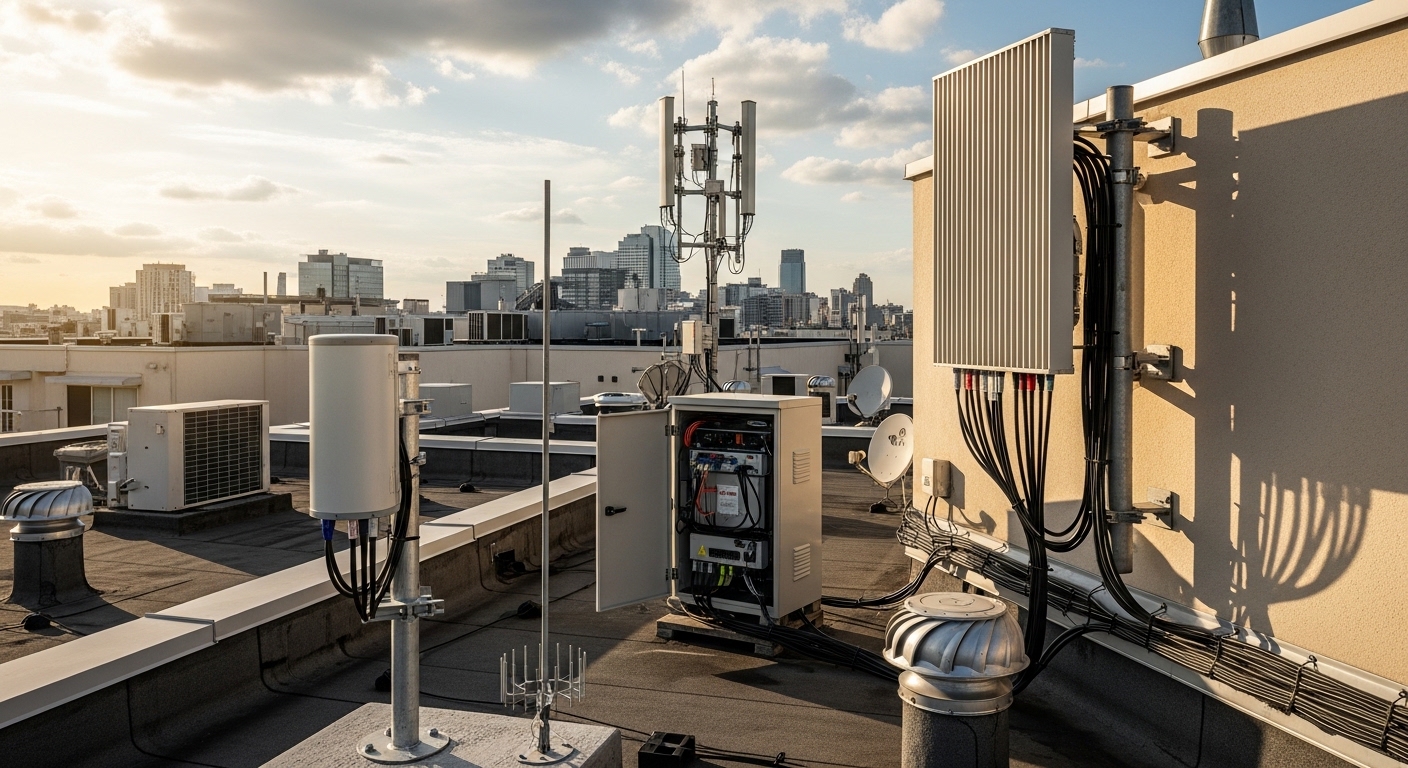
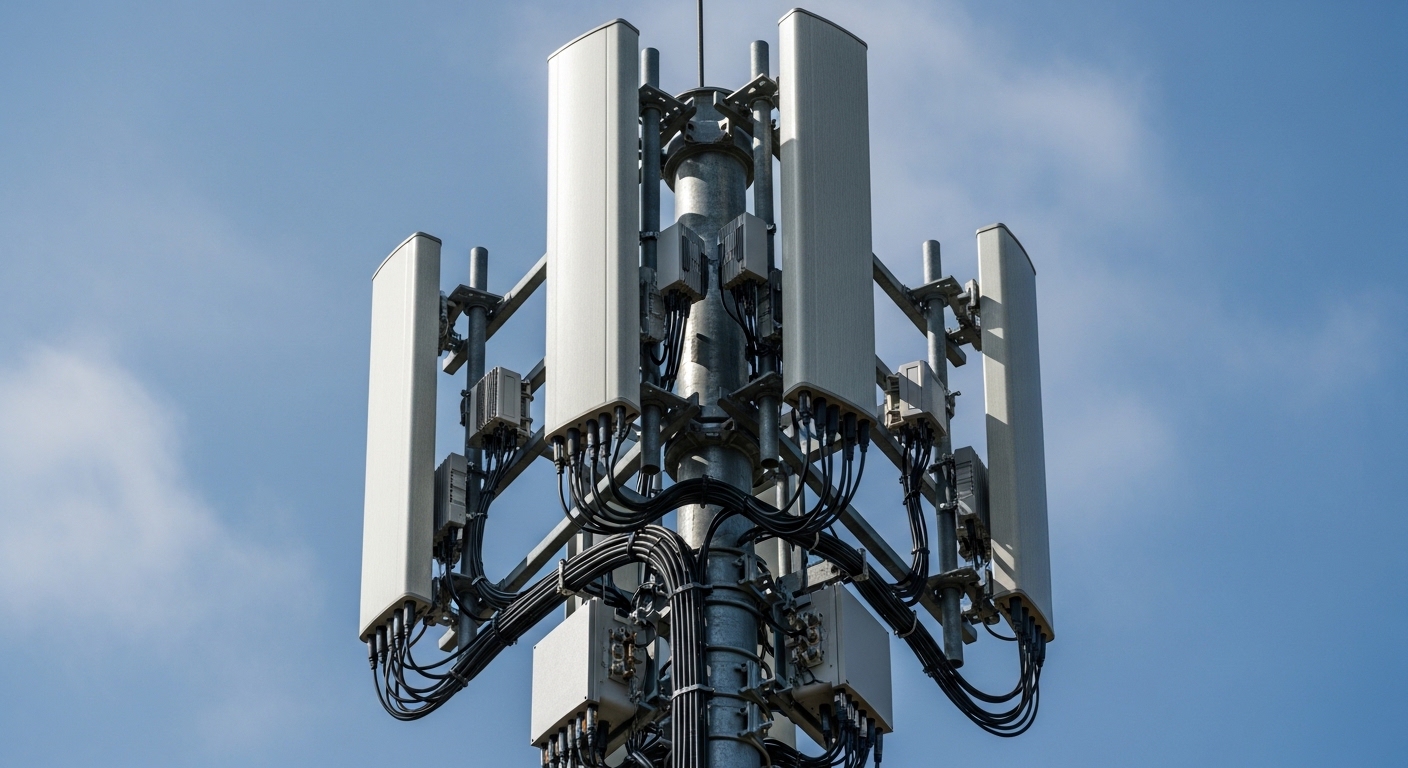
Navigating telecom equipment procurement can be complex, with high stakes riding on every purchase decision. Whether you are building a new tower site, upgrading to 5G, or expanding coverage into new markets, sourcing the right equipment at the right price requires strategic planning and thorough vendor evaluation. Our comprehensive guide covers everything from initial sourcing strategies to quality assurance and delivery logistics, helping you make informed procurement decisions that protect your investment.
Sourcing Strategies and Vendor Evaluation
Successful procurement begins with a clear understanding of your technical requirements and deployment timeline. Start by defining equipment specifications, compatibility needs, and quantity forecasts. When evaluating vendors, consider not only price but also lead times, warranty terms, certification status, and after-sales support. Request references from other telecom operators and verify that the vendor holds relevant industry certifications. Building relationships with multiple suppliers reduces dependency risk and provides leverage for negotiating better terms. We recommend maintaining a preferred vendor list with at least two qualified sources for every critical equipment category.
New vs. Refurbished Equipment
One of the most important decisions in telecom procurement is whether to purchase new or certified refurbished equipment. New equipment offers the latest technology, full manufacturer warranties, and longer expected lifespans — but at a premium price point. Certified refurbished equipment from reputable suppliers can deliver 40-60% cost savings while maintaining reliable performance, particularly for base stations, power systems, and antennas. The key is ensuring that refurbished equipment undergoes rigorous testing, comes with a meaningful warranty, and is sourced from a vendor with transparent refurbishment processes. For mission-critical deployments, new equipment may be the safer choice, while refurbished options excel in budget-constrained expansions and backup systems.
Warranty Considerations and Bulk Purchasing
Warranty terms vary significantly across manufacturers and vendors. Standard warranties typically cover 12 months, but extended warranties and service level agreements can provide peace of mind for complex installations. When negotiating bulk purchases, leverage your volume to secure tiered pricing, extended warranties, and favorable payment terms. Consolidating orders also reduces shipping costs and simplifies logistics coordination. At Telecom Tower Services, we manage procurement for clients nationwide, using our vendor relationships and volume purchasing power to secure equipment at prices typically reserved for Tier-1 carriers. Whether you need a single antenna or a complete site buildout, our procurement team ensures you get maximum value from every dollar invested.